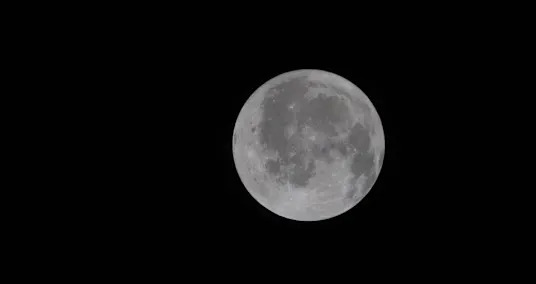
Awe-inspiring new photos captured by the Artemis II astronauts showcase the moon and the interior of the Orion spacecraft, offering a glimpse into their lives in space as they close in on another historic milestone.
One image highlighting the moon even captured a portion of the Orientale basin, which marks a first for human eyes, according to NASA. Only robotic imagers have witnessed this lunar region. The shadowed crater, which is 600 miles (965 kilometers) wide, represents a key transition region between the near and far sides of the moon.
Images taken from inside the Orion capsule have shifted from solely highlighting the glowing spectacle of Earth as seen from a cosmic perspective to refocusing on the moon as the mission draws closer to the silvery orb.
unknown content item
-
The crew is more than halfway to the moon, according to NASA, and their highly anticipated lunar flyby will occur on Monday.
The astronauts said the moon continues to appear larger through Orion’s windows as their journey continues.

The Artemis II images of Earth have been equally stunning, showcasing perspectives of our planet that haven’t been seen by human eyes since astronauts last left Earth orbit during the Apollo era.

The crew has also appeared live on camera throughout NASA’s continuing broadcast of the mission, allowing candid glimpses of their life in space.

In this new verdantly illuminated photo, the majority of the Orion spacecraft’s lights are turned off to avoid glare on the windows, allowing Canadian Space Agency astronaut Jeremy Hansen to look outside and enjoy the view.

And much like during the Artemis I mission in 2022, Artemis II’s journey will include multiple selfie opportunities. The Orion spacecraft’s solar array wings are equipped with cameras that can capture high-resolution selfies, including ones with the moon or Earth.
This image was taken during a routine external inspection of Orion using its cameras on the second day — while also providing a unique perspective of the capsule in the space environment.

NASA’s Artemis program is sending humans into deep space for the first time in more than five decades. Sign up for Countdown newsletter and get updates from CNN Science on out-of-this-world expeditions as they unfold.
For more CNN news and newsletters create an account at CNN.com
LATEST POSTS
- 1
 Egypt's cafés and shops forced to close early due to Iran war
 - 2Doctors say changes to US vaccine recommendations are confusing parents and could harm kids
- 3The most effective method to Pick the Best Wellbeing Highlights for Seniors in SUVs
- 4'All Her Fault' ending explained: The shocking conclusion to the psychological thriller inspired by true events
- 5$30K Disability Scam Implodes After Surf Trip in Mexico




- The pinch at the pump continues on
- Rick Steves Doesn't Want You Overlooking This Food Spot While In France
- How federal officials talk about health is shifting in troubling ways – and that change makes me worried for my autistic child
- King Charles shares cancer treatment update, says it's a 'personal blessing'
- Israeli president concerned over proposed renaming of park
- What's the new 'Knives Out' mystery about? Everything to know about 'Wake Up Dead Man,' including who's in the cast and what the reviews say.
- Top notch Feasting: A Manual for Worldwide Acclaimed Eateries
- An Extended time of Self-Reflection: Self-awareness through Journaling
- German police 'cleared path for fascists with batons,' protesters say